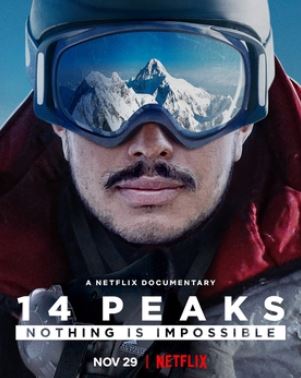
The body of Nirmal Purja, a mountaineer whose career was featured in a 2021 Netflix documentary, has been recovered, according to rescuers.
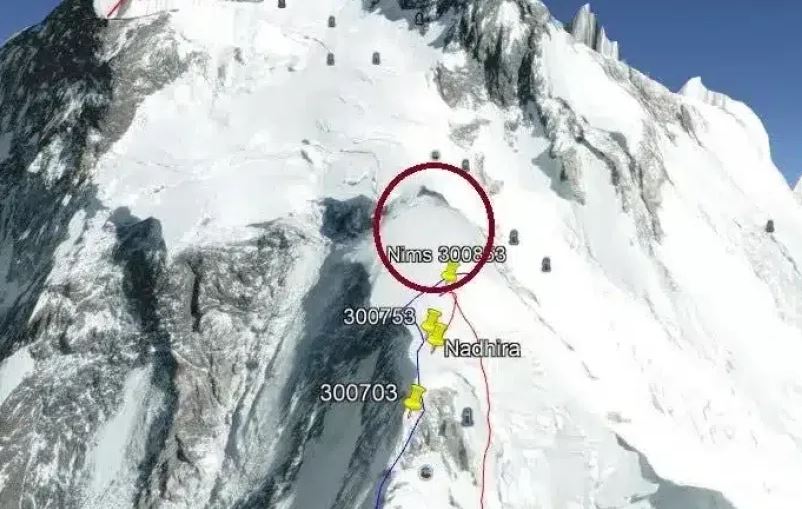
The Alpine Club of Pakistan confirmed that he was discovered approximately 5,700 meters up the mountain, alongside three other bodies.
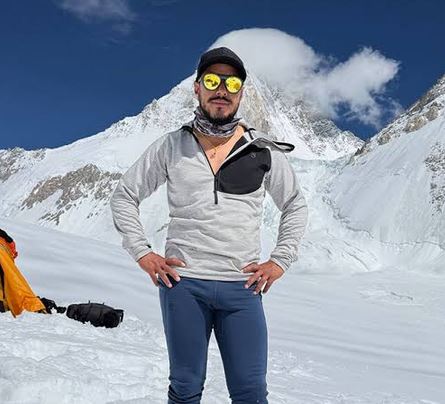 Purja’s company, Elite Expeditions, officially announced his death on Saturday, saying he was among the 10 individuals who lost their lives in the avalanche.
His older brother, Kamal, also confirmed in a statement that his beloved younger brother is no longer with us.
Purja, who previously served in the British Army, became known after climbing the world’s 14 highest peaks in just a few months in 2019.
According to the Alpine Club, the recovered bodies will be taken to a Japanese camp by a ground team.
Before Purja’s death was announced, officials had discovered the bodies of three other climbers from the same expedition – Pur Bahadur Gurung from Nepal, Mallory Geis from the U.S., and Nadhira Ahmed from Oman.
Since the news of his death, many have paid tribute online, including Prince William, who described Purja as “one of the greatest mountaineers.”
 Wes Streeting, the UK Defence Secretary, also described Purja as “an inspirational man who served with their military for several years” and offered his condolences.
Rescue teams have been searching the area for survivors since the avalanche on Thursday, which occured on the 26,400 ft peak in the Karakoram range.
The multi-national expedition was led by Purja, who at just 43 years of age, had set several mountaineering records.
Prior to his mountaineering career, he served in the British armed forces for 16 years. In 2018, he was given the Member of the Order of the British Empire by the late Queen Elizabeth II, for his outstanding achivements in mountaineering.
While serving in the army, Purja, who lived with his wife and young daughter in Hampshire, England, also became the first Gurkha to climb Mt. Everest.
In his final X post on Monday, he said climbing Broad Peak was never part of his original plan.
He had intended to climb only Gasherbrum II, another peak in the Karakoram range.
But before departing for Pakistan, he realized that if he also climbed Broad Peak, it would leave him just one mountain short of becoming the first person to climb all 14 eight-thousanders (mountains with peaks higher than 8,000 meters) twice without supplemental oxygen.