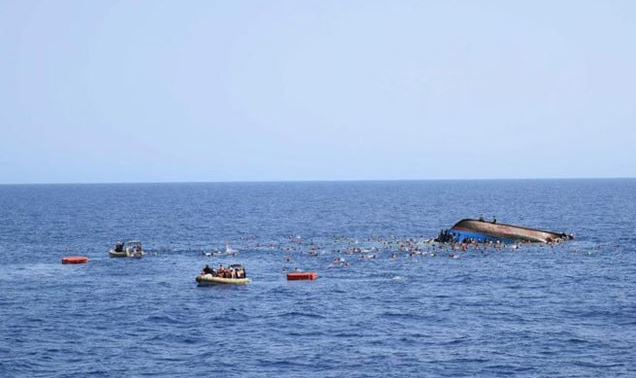
More than 500 people are feared to have died after two boats carrying Rohingya refugees reportedly sank off the coast of Myanmar.
According to the UN’s refugee agency (UNHCR) and the International Organization for Migration (IOM), the two vessels capsized after leaving Myanmar’s Rakhine state in late June.
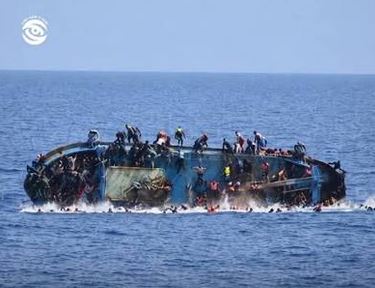 Most of those onboard were thought to be Rohingya, a Muslim minority that has faced years of violence and persecution.
Some passengers reportedly came from the overcrowded refugee camps in Cox’s Bazar, Bangladesh, where more than one million Rohingya continue to live in difficult conditions.
Many Rohingya risk dangerous sea crossings each year in hopes of finding safety or a better future. They often travel on overcrowded and poorly maintained boats run by people-smuggling networks.
The first boat, which was believed to be carrying around 250 people, reportedly disappeared soon after setting off.
A second vessel, with about 280 people onboard, is believed to have sunk near Myanmar’s Ayeyarwady coast on July 8.
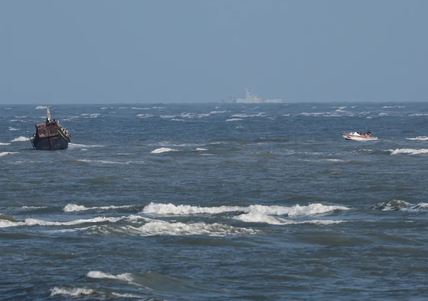 Officials have not yet confirmed exactly what happened or how many people were on the boats.
They also noted that the voyages took place outside the usual sailing season, when rough seas and poor weather make travel even more dangerous.
Heavy rain and flooding across the region are believed to have made conditions even worse.
While authorities have not officially confirmed the reports of the boats capsizing, the IOM and UNHCR said they are “gravely concerned by the potentially devastating loss of life.”
If the reports are confirmed, the deaths would add to the nearly 300 people who have already been reported missing or killed this year while attempting sea crossings in the Andaman Sea and the Bay of Bengal.
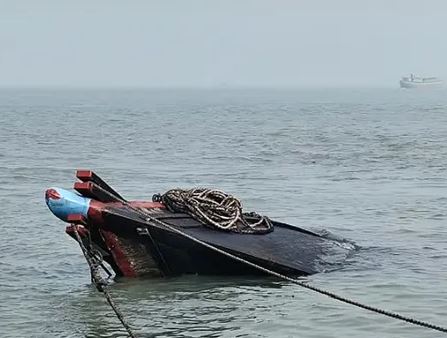 The UN agencies said the latest incident highlights the ongoing humanitarian crisis facing the Rohingya.
They highlighted the worsening conflict in Myanmar, limited support and opportunities in refugee camps in Bangladesh, and the continued exploitation of vulnerable people by smuggling and trafficking groups as key reasons why so many people continue to risk these dangerous journeys.
The agencies said governments need to do more to save people at sea and to protect those forced to flee; criminal groups should also be prevented from profitting from smuggling and trafficking.