
A new study suggests that two chemicals often used to make plastics softer might be tied to nearly two million premature births and around 74,000 newborn deaths worldwide in 2018.
A baby is considered premature if they arrive before 37 weeks of pregnancy. In the United States, roughly one out of every ten babies is born early.
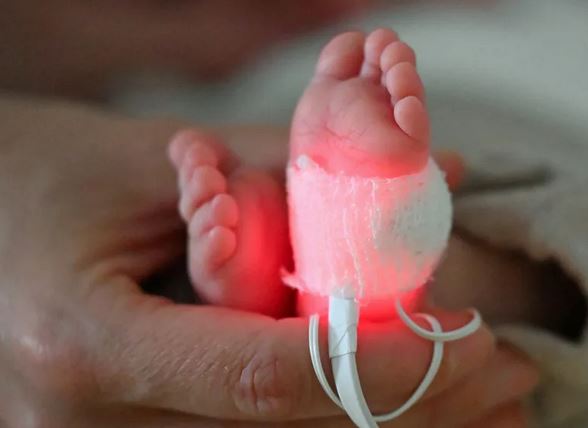 Data from the US Centers for Disease Control and Prevention shows that babies who survive premature birth can face a range of health challenges.
For example, they may experience breathing issues, delays in development, trouble feeding, as well as hearing or vision problems, and conditions like cerebral palsy.
The study focuses on two substances, DEHP and DiNP, which belong to a group of man-made chemicals known as phthalates.
These chemicals are known to disrupt hormones in the body. They can interfere with the endocrine system and have been linked to problems involving reproduction, immunity, brain development, and overall health.
Researchers at the National Institute of Environmental Health Sciences note that even slight changes in hormone levels can lead to serious biological and developmental effects.
 Dr. Leonardo Trasande, one of the study’s senior authors, described phthalates as a particularly harmful group of chemicals.
The American Chemistry Council’s High Phthalates Panel says the US Environmental Protection Agency carried out a full risk review of DiNP under the Toxic Substances Control Act and found it does not present an “unreasonable risk” to human health.
The group did not comment on DEHP.
About Phthalates
Phthalates are often referred to as “everywhere chemicals” because they show up in a wide range of everyday items. For example, they can be found in food containers, kids’ toys, shower curtains, vinyl flooring, medical equipment, and even garden hoses.
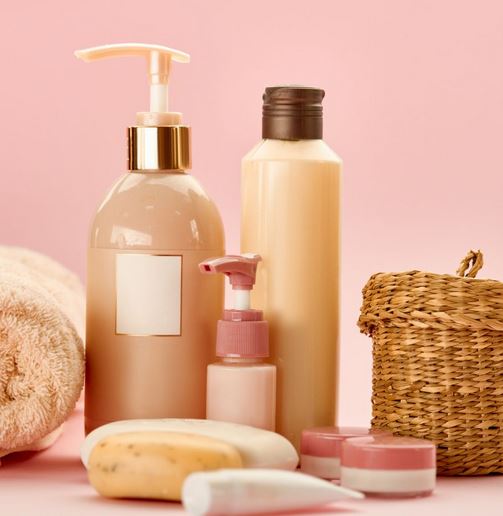
They’re also used in personal care products, where they act as lubricants and help scents last longer in things like deodorant, perfume, shampoo, and hair gel.
You can also find them in plastic wrap commonly used for packaging food.
Some research has linked phthalates to reproductive issues, including undescended testes and genital abnormalities in baby boys. In adult men, they’ve been associated with lower testosterone levels and reduced sperm counts.
 Other studies suggest possible connections to asthma, obesity in children, heart-related conditions, and even certain types of cancer.
The good news is that phthalates have a short half-life; they tend to leave the body within a few days.
If you’re trying to cut back on exposure, a simple step is to go for personal care products labeled “phthalate-free.” It’s also a good idea to steer clear of ingredients like dibutyl phthalate (DBP), diethyl phthalate (DEP), and benzyl butyl phthalate (BBP).
Having said that, labels aren’t always straightforward. Some products don’t list these chemicals clearly. For example, they may be grouped under general terms like “fragrance” or “parfum,” which can make them harder to see.