A 13-year-old boy swam close to 2.5 miles, about four kilometres, to shore to get help after his family became stranded at sea.
Austin Appelbee was on a family trip in Quindalup, about 124 miles south of Perth, when strong winds suddenly carried their inflatable paddleboards and kayak away from Geographe Bay.
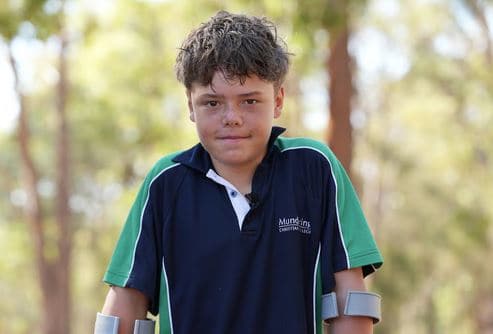
Austin initially set off toward shore in a kayak, but had to leave it behind when it began taking on water.
Nearly two hours into the swim, he removed his life jacket because he felt it was slowing him down.
He said he kept going by switching between freestyle, breaststroke, and survival backstroke.
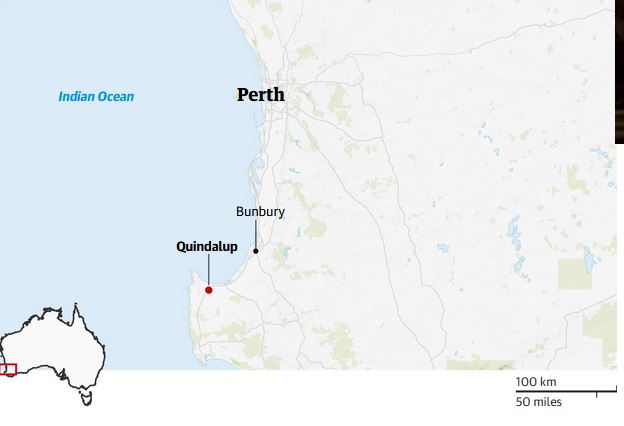
He told emergency dispatchers that his family was stuck offshore and needed helicopters and planes to find them.
Shortly after making the call, the exhausted teen collapsed and was taken to hospital. Doctors gave him crutches to help with his sore legs.
His family was later rescued about 14 kilometres offshore.
How Was the 13-Year-Old Able to Swim That Far?
Professor David Bishop, an exercise psychologist at Victoria University, said that in high-stress, fight-or-flight moments, people can sometimes push past their physical limits.
There have been several examples of this over the years.

Then in 2016, another teenager was said to have raised a car to free her dad, who had gotten trapped underneath.
Experts often call this kind of reaction “hysterical strength.”
One study from 1961 found that people performed better on a forearm strength test when they were suddenly frightened; researchers fired a starting pistol right by their ears without warning and saw that their strength jumped almost immediately.
Anthony Blazevich, a biomechanics professor at Edith Cowan University, said a surge of adrenaline and other fight-or-flight hormones likely plays a big role.
He explained that these hormones can temporarily help the body do things it might not normally be capable of.
As for his swim, Austin said he kept reassuring himself that he would make it and focused on thoughts of his friends to keep going.