Canada will be introducing stricter measures for travellers arriving from regions affected by the Ebola outbreak.
Starting Wednesday, anyone entering the country after travelling through the Democratic Republic of Congo, Uganda, or South Sudan will be required to self-isolate for 21 days.
The federal government will also be temporarily pausing immigration applications from those three countries.
 Officials emphasized that the measures are meant to be temporary, and that existing immigration documents will not be cancelled.
Rather, applications and documents will be temporarily suspended; they may be reactivated later once the restrictions are lifted, if they’re still valid.
According to Health Minister Marjorie Michel, the overall risk to Canadians is still considered low. Considering the potential consequences, however, the government will be taking extra precautions to help keep everyone safe.
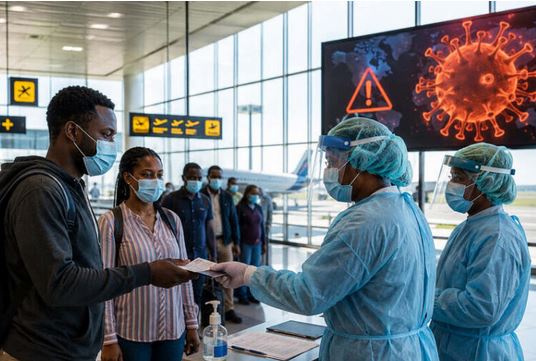
Under the new rules, all incoming travellers from affected areas will be screened by border officials.
Anyone showing symptoms will be sent for further medical evaluation at a hospital. The tougher border measures are being introduced under Canada’s Quarantine Act and are expected to remain in place until at least Aug. 29.
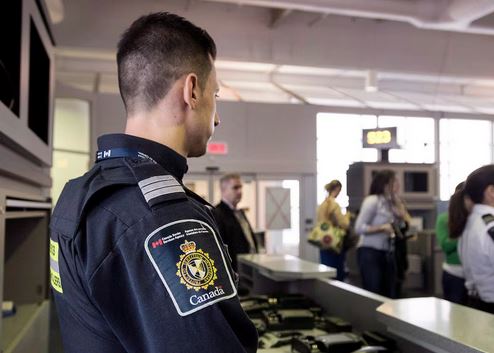 Travellers who do not have a place to isolate will be given accommodations.
Immigration Minister Lena Diab said the restrictions are expected to last around 90 days.
Currently, Canada sees approximately 350 travellers from Congo, Uganda, and South Sudan each week on average.
Most of those passengers land in Toronto, Montreal, or Vancouver, and officials said about 60 percent are Canadian citizens or permanent residents while the remaining 40 percent are foreign nationals.
The timing is also making people a little more nervous as the FIFA World Cup is about to start, with Canada hosting its first game on June 12.
Officials said the combination of summer travel and all the extra visitors coming in for the tournament could increase the chances of the virus spreading.
 Mexico has also rolled out its own travel limits earlier this month, and Canadian officials said they’re basically following the same approach as the U.S. and Mexico.
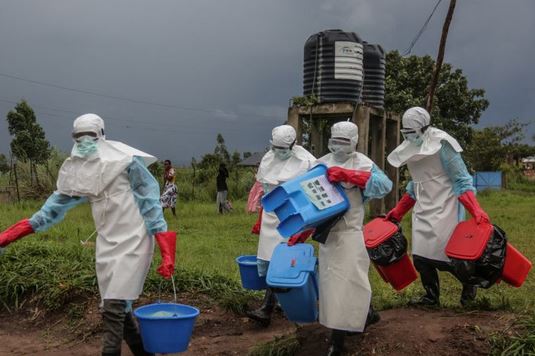
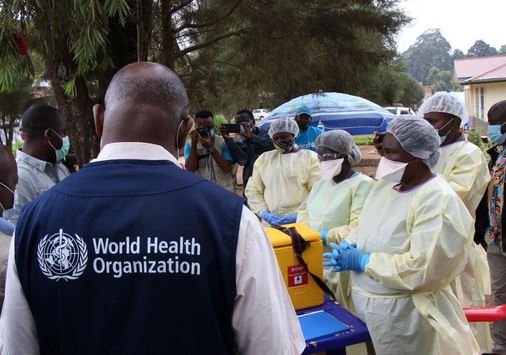
Earlier this month, the World Health Organization officially declared the outbreak involving the rare Bundibugyo Ebola strain an international public health emergency.
WHO officials have warned that the outbreak is spreading quickly in Congo and Uganda, with suspected deaths now reported in the hundreds.
Health experts say teams on the ground are struggling to keep up because some Ebola cases were discovered too late.
They also say the outbreak has been harder to control because parts of eastern Congo are already dealing with violence and unrest.
To make matters worse, there is still no approved vaccine for this type of Ebola.