A group of teens made a surprising discovery back in 2021. Frustrated by the school’s plans to continue remote learning, they occupied their school for several days.
During their time in the building, they came across something unusual and later pointed teachers toward a lesser known area beneath the school.
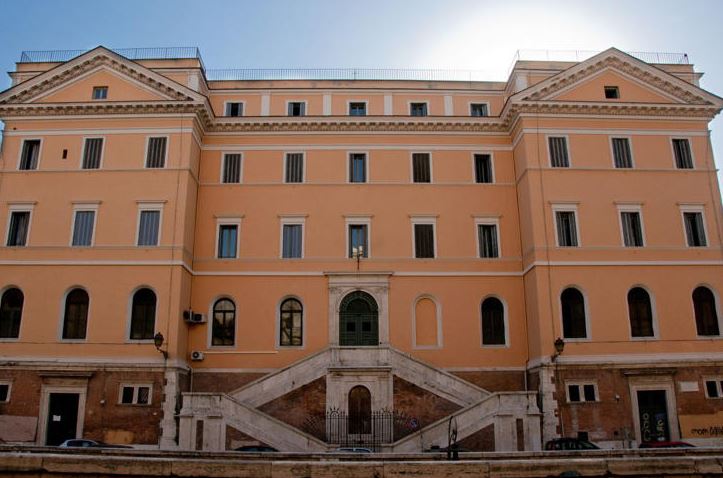 Curious about their claims, Claudia Marino – a history teacher – along with several colleagues, went to investigate.
Following the directions they were given, they unlocked a door in the basement and found what appeared to be an abandoned boiler room.
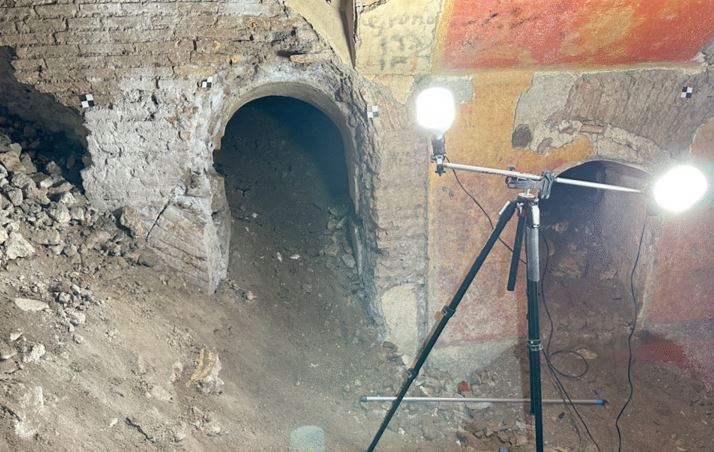
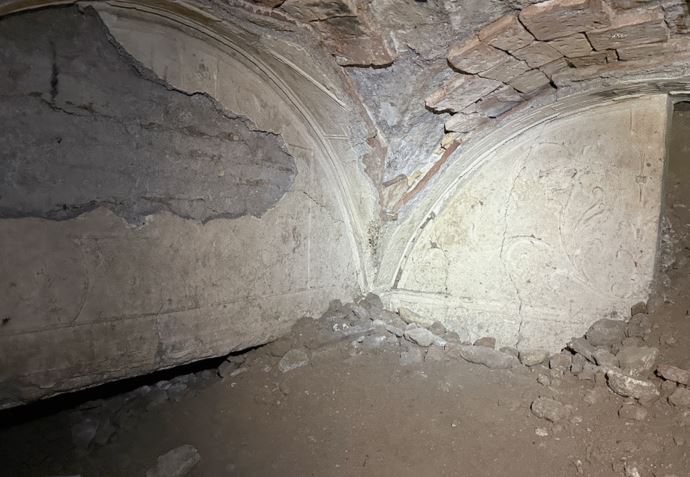
Hidden beyond the door was something even more remarkable – the remains of an ancient Roman villa complete with decorative frescoes and ornate stucco work.
The discovery was reported to Rome’s cultural heritage authorities, who eventually launched a formal excavation in September 2025.
Archaeologists later revealed the results to the public in May 2026.
Experts determined that the villa, known as a domus or private residence, was built around the middle of the second century C.E.
This was a period when emperors such as Hadrian and Marcus Aurelius ruled the Roman Empire.
 While part of the site had actually been uncovered during road construction in 1895, its location was gradually forgotten over time.
When modern excavations began, researchers were impressed by how well preserved the underground rooms were.
One chamber contained a mosaic made from large tiles arranged in a style popular during that era, while other rooms featured floral artwork and images of people that sat untouched two thousand years.
The villa sits in a historically important part of Rome between the Carinae and Esquiline Hill.
Wealthy and influential figures from the late Roman Republic, including Cicero, Pompey and Octavian, once owned estates in the area.
 While historical texts describe the neighborhood in detail, physical evidence has been difficult to find due to centuries of development, which have damaged the original structures.
As of June, archaeologists have recovered enough artifacts to fill dozens of crates.
Among the discoveries are amphorae used to store goods such as wine and olive oil, as well as drinking vessels from later periods of Roman history.
Researchers also learned more about the villa’s former residents thanks to inscriptions found on ancient lead water pipes.
The names L. Fabius Gallus and Umbria Albina were identified, providing a rare glimpse into the people who once lived there.
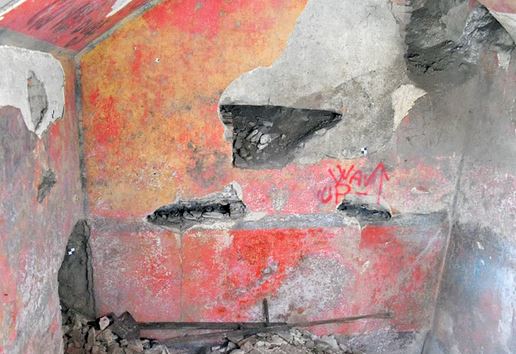 The students were not actually the first people to stumble across the forgotten ruins.
Graffiti left on the walls suggests others had entered the site throughout the 20th century.
Some markings date back to when a religious order occupied the building, while others may have been left by generations of curious students.
Only part of the villa has been excavated so far, and archaeologists believe much more remains hidden underground.
Further exploration will depend on securing additional funding.