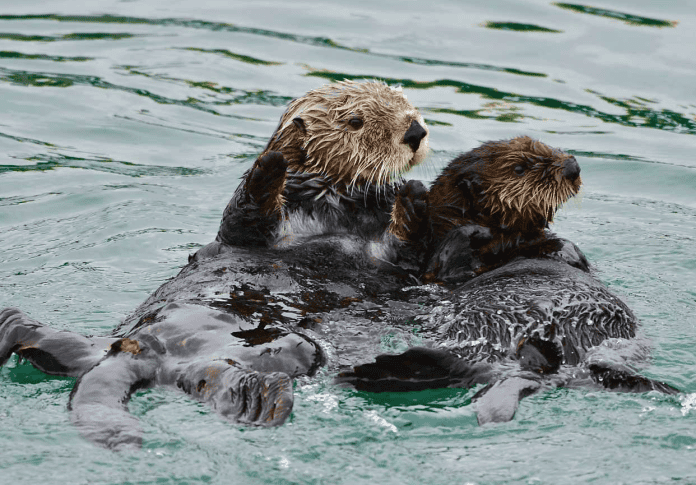
Last month, on a foggy afternoon, the Marine Mammal Centre received an urgent call from the public hotline about distress cries coming from the waters of Morro Bay.
Experts at the centre quickly determined that the sounds, which sounded like human-like screeches, were coming from a two-week-old sea otter that had become separated from its mom.

Typically, a mother otter cares for her baby for up to several months, often carrying it on her chest.
In response, the centre’s team, along with the Morro Bay harbor patrol, embarked on an hours-long rescue mission.
They carefully placed the fragile pup, named Caterpillar, into a secure container to prevent overheating and recorded its frantic cries.
To locate the mother, they planned to travel by boat around the area, playing back the recorded calls through a large speaker in hopes of attracting her.
They chose to use the recorded sounds instead of the pup’s natural calls, fearing the pup might tire and stop crying, which could prevent the mother from finding her lost baby.
Rescuing the Pup
The rescue team knew that reuniting the sea otter pup with its mother wouldn’t be easy, but they had successfully used this technique before in 2019.
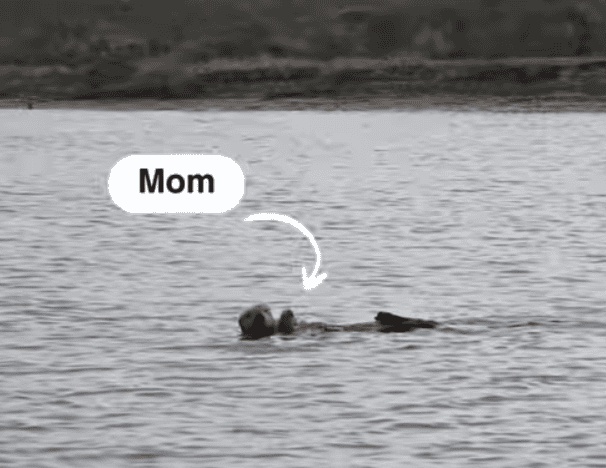
Despite the vast area, the group remained persistent, playing the cries of the sea otter pup nonstop for two hours – once every minute.
By the end of the day, the team could still hear the cries in their heads.
Hours of searching later, a female sea otter surfaced and began following the boat. Link explained that this was unusual, as otters typically only sleep, eat, and groom, and generally ignore humans on boats.
However, this female was remarkably persistent. The team played the recorded cries on one side of the boat, then played it on the other, and each time, the female otter continued to follow.
Eventually, they became certain that she was the mother searching for her pup.
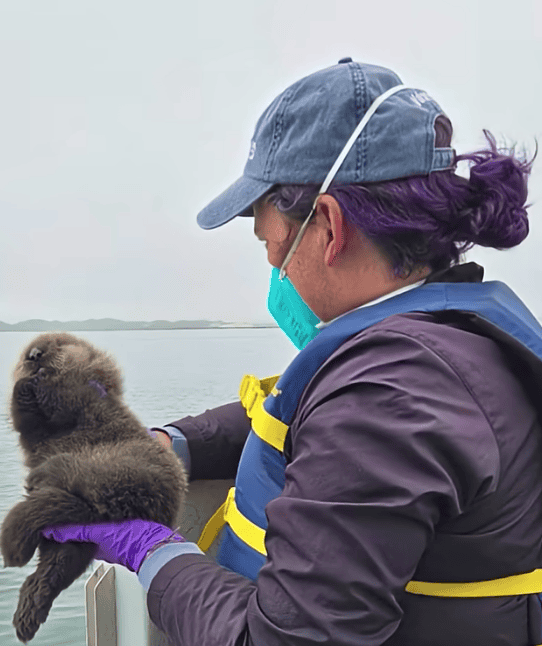
She gently grasped her pup, smelled him, and ran her small hands over his dense coat.
The team was overwhelmed with joy, and Zink said tears were shed during the emotional reunion.
This event holds significant importance for the region, as sea otters are vital for maintaining the health of coastal ecosystems.
They help preserve biodiversity and keep marshy banks structurally sound, making their recovery and protection crucial for the region’s environmental balance.