A serious Nipah virus outbreak in India has several Asian countries on alert, as the virus has a 75 percent fatality rate.
After two deaths in West Bengal earlier this month, countries like Singapore, Malaysia, and Thailand tightened up screening and testing to help prevent the virus from spreading.
About the Nipah Virus
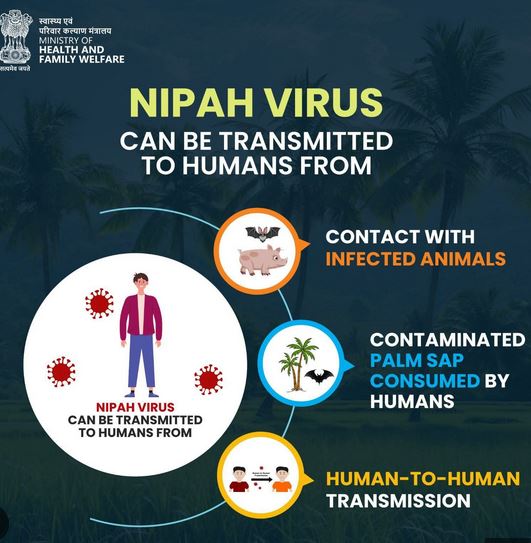
The primary source is bats, with transmission occurring through contact with their saliva, urine, or feces.
People can also become infected through contact with other animals that carry the virus, such as pigs.
The virus can also be transmitted through contaminated food.
For example, products such as date palm sap can become unsafe if bats have come into contact with them.
While less common, the virus can also spread between people through close contact. For instance, it can occur when someone is caring for an infected patient.
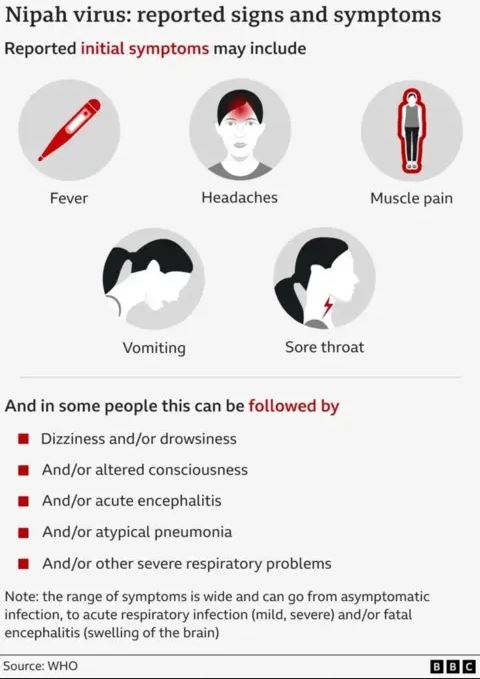
Symptoms usually appear within a few days of infection. Early signs commonly include fever, intense headaches, involuntary muscle movements, and changes in behavior.
As the illness worsens, patients may develop breathing difficulties, pneumonia and neurological complications such as seizures.
Even people who recover are not completely safe as they can develop a return of encephalitis years later.
Potential Treatments

At the moment, there is no targeted treatment for the Nipah virus.
Treatment mostly comes down to treating the symptoms and giving the body the support it needs.
For instance, people who have trouble breathing may need oxygen therapy.
Having said that, Australia is working on an experimental treatment known as m102.4. A phase one trial was carried out in 2020, during which the drug was given to healthy volunteers to determine possible side effects.
The results showed that most people tolerated the medication well. Still, further research is needed before the treatment can be used for patients infected with the virus.
There is also currently no vaccine available for Nipah.
This has to do with the fact that the virus is usually spread through infected animals or contaminated food, and not from person to person.
For people living outside of Asia, the risk remains very low.
If you feel unwell after travelling to an area where cases have been reported, it is important to tell your doctor where and when you travelled.