Pistachios have been affected by dozens of recalls in Canada due to a salmonella outbreak. According to food safety experts, the recalls may be linked to imports from countries with weaker food safety standards.
Since late July, federal health officials have pulled over 100 brands of pistachios and pistachio-based products – including popular Dubai-style chocolates — over contamination concerns.

In an interview, Amy Proulx, a former Canadian Food Inspection Agency inspector, said there are several reasons why the recall is lasting so long.
She pointed to inconsistent food safety standards and a lack of clear labelling on product origins.
Proulx explained that pistachios are mainly processed in the U.S. and in Middle Eastern countries such as Turkiye, Syria, and Iran, where standards differ widely.
While the U.S. has strict food safety programs, the Middle East are still working at their food safety programs.
How Pistachios Are Contaminated
Proulx explained that pistachios are often eaten by birds, and their droppings can contaminate the nuts.
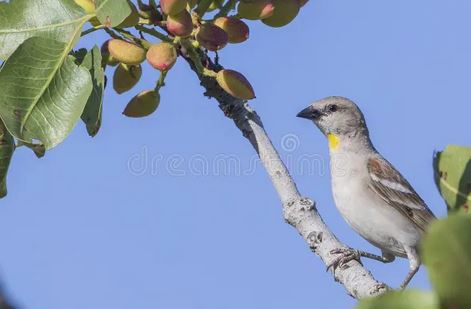
In the Middle East, pistachios are often processed by rinsing them with water and drying them in the sun – a method that does little to eliminate Salmonella.
Other Factors Behind the Recalls
Many of the recalls are also tied to a wholesaler that distributes pistachios to food processors, bakeries and other businesses.

Food safety expert Lawrence Goodridge noted that contamination in pistachios is not a new issue and suggested the company exporting the nuts to Canada may have a history of problems.
Goodridge noted that many pistachio-based products, such as baked goods, do not include labels showing where the nuts came from. He urged consumers to avoid buying pistachios that don’t list their country of origin.
In a video interview, he added that tracing unlabelled products is “very difficult,” which complicates efforts to identify contaminated items.
Currently, the Canadian Food Inspection Agency (CFIA) is continuing its investigation. As of September 2025, there have been 62 confirmed cases of Salmonella in Quebec, British Columbia, Manitoba and Ontario.
Ten people required hospitalization, but no deaths have been reported.
The Public Health Agency of Canada cautioned, however, that the true number of cases is likely much higher.
People with mild symptoms often don’t seek medical care, meaning their illnesses go unreported. Experts estimate there could be as many as 1,600 Salmonella-related cases so far.