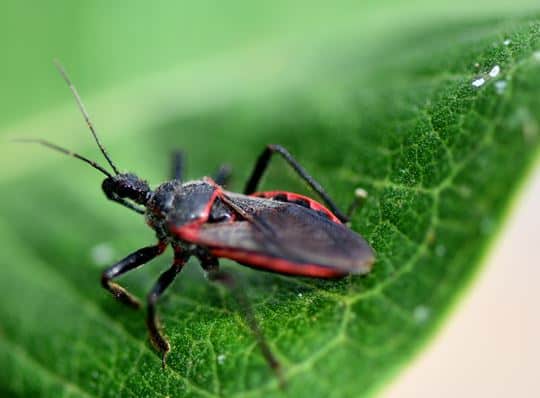
Up to 100,000 Californians may be living with Chagas disease, often called “kissing bug” disease, without even realizing it.
Once thought to be only a concern abroad, the illness is caused by a parasite carried by kissing bugs.
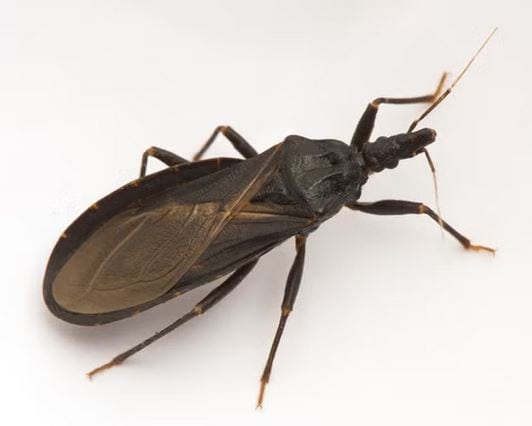
Experts estimate that between 70,000 and 100,000 people in California have already been infected.
Unlike many other diseases, Chagas tend to remain dormant for many years.
It isn’t until the individual suffers a serious cardiac problem, such as a heart attack or stroke, that it makes itself known.
There are a dozen species of kissing bugs across the United States, four of which are found in California.
Some areas, including Griffith Park in Los Angeles, have been identified as hotspots. A report found that nearly one-third of kissing bugs near the observatory and park carried the parasite.
The disease has also been detected in local wildlife, including mice, skunks, and wood rats.
Epidemiologist Norman Beatty explained that Chagas disease has long been overlooked because it was once thought to primarily affect Latin America. However, it’s now in the United States.
Given how prevalent it is in the U.S., experts are now urging the Centers for Disease Control and Prevention and the World Health Organization to classify the illness as endemic, meaning it is consistently present within the country.
California reports more cases than any other state, largely because many residents have immigrated from regions where Chagas disease is widespread.
A study conducted by the California Department of Health found that of 40 reported cases between 2013 and 2023, 31 were contracted abroad.
Unlike other illnesses such as malaria or Lyme disease, doctors in California are not required to report cases of Chagas, meaning it’s highly likely that the true numbers are undercounted.
Entomologist Gabriel Hamer noted that there is no active surveillance or standardized reporting system. This means confirmed cases are only “the tip of the iceberg.”
He added that many people discover they have the disease only when trying to donate blood.

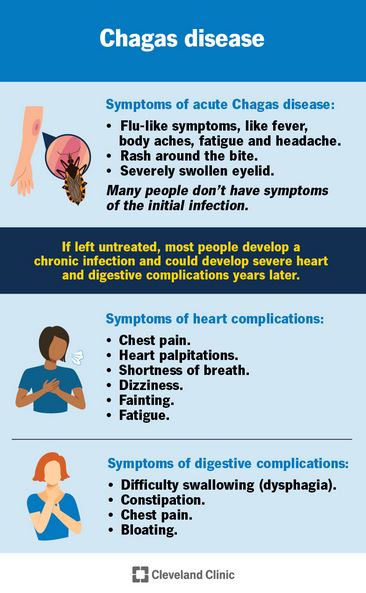
Chagas disease can trigger acute reactions such as anaphylaxis and swollen limbs, but its long-term complications – like strokes and seizures – are far more dangerous.
Other symptoms may include fatigue, headaches, fever, loss of appetite, body aches, rashes, vomiting, diarrhea, and swelling around the eye.
According to the CDC, symptoms usually appear within the first few weeks of infection.
When caught early, the illness can be treated with anti-parasitic medications.
Left untreated, however, it can progress to life-threatening cardiac problems such as heart attacks and strokes.