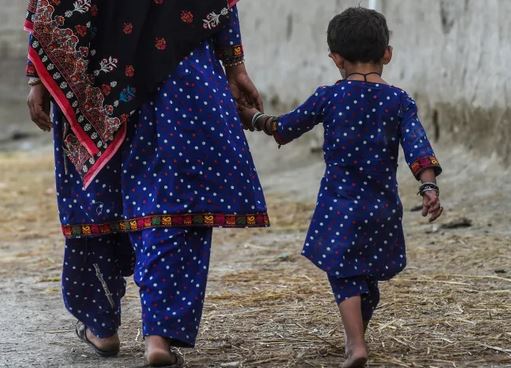
Mohammed Amin was just eight years old when he died from HIV.
His mother said his illness was so severe that during his fevers, he would beg to lie outside in the rain.
Not long after he became sick, Asma, his 10-year-old sister, was also diagnosed with HIV. Their family believes both children were infected through unsafe injections during routine treatment at a government hospital in Taunsa, a city in Pakistan’s Punjab province.
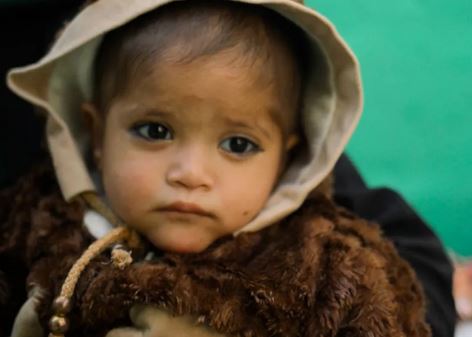
They’re not the only ones with such an experience either.
An investigation identified 331 children in the city who tested positive for HIV between November 2024 and October 2025.
People first started getting worried in late 2024, when a doctor at a private clinic noticed more and more kids testing positive for HIV; a lot of them had all been treated at the same hospital, THQ Taunsa.
Officials eventually suspended the hospital’s top doctor in March 2025, but what happened after that only made things more concerning.
Months later, undercover filming inside the hospital showed that unsafe practices were still happening.
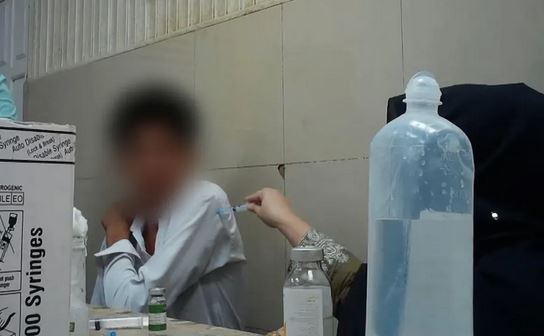
Over 32 hours of undercover footage showed that staff were reusing syringes on multi-dose vials again and again – a practice that can contaminate the medicine and spread infections.
In some cases, that same vial was then used on different children.
Medical experts reviewing the footage explained that even if a new needle is attached, the syringe itself can still carry viruses, meaning the danger remains.
The investigation also found repeated lapses in basic safety procedures; staff were seen giving injections without wearing sterile gloves dozens of times, and improper handling of medical waste was also observed.
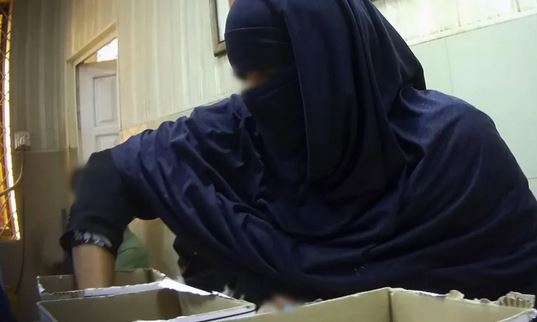
Experts say this all points to bigger issues with how staff are trained on infection control.
When confronted with the footage, the hospital’s new medical superintendent dismissed it, suggesting it might have been recorded earlier or even staged. They maintained that the facility is safe for children.
Data collected from government screening programs, private clinics, and other sources showed that in a sample of affected families, only a small number of mothers tested positive for HIV.
The means that most of the infections didn’t come from the mothers passing it to their kids. Rather, contaminated needles were likely to blame.
When the provincial government stepped in earlier in 2025, the number of known cases was just over 100.
While the hospital’s top official was suspended at the time, he reportedly returned to working with children within a few months at another medical facility nearby.