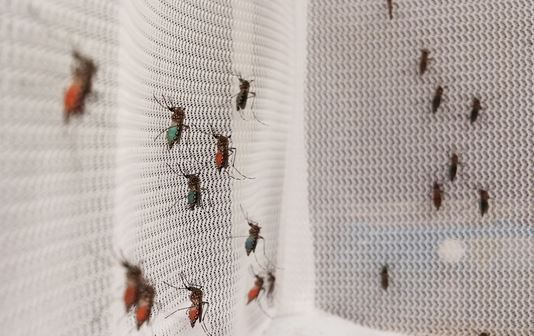
Google is looking for approval to release up to 32 million lab-raised male mosquitoes in California and Florida as part of an effort to help curb the spread of diseases carried by the insects.
The initiative, called Debug, focuses on shrinking mosquito populations that can carry illnesses such as dengue fever, Zika, West Nile virus, chikungunya and malaria.
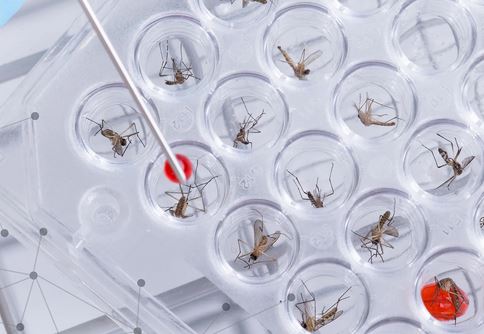 According to documents by the US Environmental Protection Agency (EPA), Google wants to release as many as 16 million mosquitoes each year for two years while researchers study the impact.
The public has until June 5 to weigh in before the EPA makes a decision.
These mosquitoes are all male, meaning they won’t bite people or spread disease. They are raised with a naturally occurring bacterium known as Wolbachia.
When these males mate with wild females, the eggs produced don’t develop, leading to fewer mosquitoes in future generations.
While it might seem surprising to see a tech giant involved in mosquito control, the project has been in development for years.
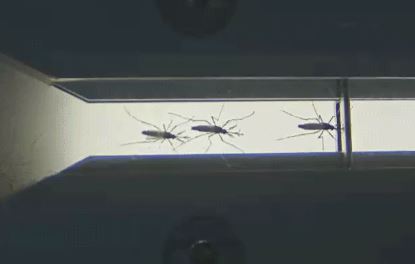 Debug originally grew out of Verily, Alphabet’s health technology division, before becoming fully owned by Google in late 2024.
The program combines biology, engineering, data analysis and artificial intelligence in an effort to tackle mosquito-borne diseases more effectively.
Google says traditional methods have limitations. Insecticides can lose effectiveness over time and may have environmental downsides, while eliminating standing water sources – which the bugs use for breeding – is typically impractical.
The strategy itself isn’t new.
Scientists have been using versions of the sterile insect technique against various pests for decades. In fact, using Wolbachia-infected mosquitoes to suppress populations has already been studied and applied in several locations around the world.
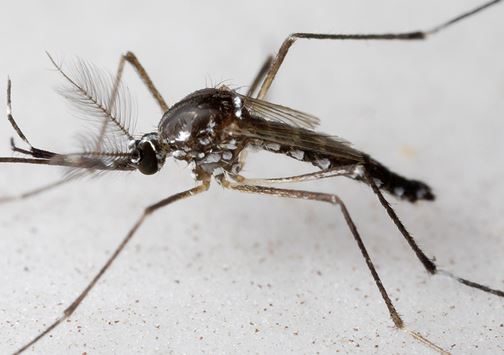
Currently, the program is targeting Aedes aegypti, a mosquito species linked to the majority of dengue, Zika, yellow fever and chikungunya infections.
 To make the process work on a large scale, Google has developed automated systems that raise the insects; they are also using AI-powered image recognition technology to sort males from females before release.
The project has already shown encouraging results in Singapore, where millions of male mosquitoes have been released over the past several years.
According to Singapore’s National Environment Agency, mosquito numbers in some areas have dropped by as much as 80 to 90 per cent. Dengue cases also fell by more than 70 per cent within six to 12 months of sustained releases.
The results have encouraged the company to take the project to more places.
The Debug team says the success in Singapore makes them believe this method could work in other communities as well, especially in Asia, where dengue affects a large number of people.