Protein powders and shakes make up a multibillion-dollar industry, and their popularity is expected to rise even further in the coming years.
What many consumers don’t realize, however, is that a large number of these products contain alarming levels of toxic heavy metals such as lead.

The study revealed that more than two-thirds of the tested products contained more lead in a single serving than what is considered safe to consume in an entire day – some exceeding the limit by more than tenfold.
The food safety researcher who led the study called the findings “concerning.”
While protein products have always contained trace amounts of toxic metals, the average levels have increased sharply over the past 15 years. Back then, many products had undetectable levels of lead.
For instance, Naked Nutrition’s Vegan Mass Gainer powder contained nearly twice as much lead per serving as the most contaminated product tested in 2020.
Almost all of the plant-based protein powders analyzed showed high levels of lead, but some were especially alarming.

A single serving of these powders contained up to 1,600 percent of the recommended safe daily intake of 0.5 milligrams.
Meanwhile, two other plant-based protein powders had lead levels reaching up to 600 percent of the safe daily limit per serving.
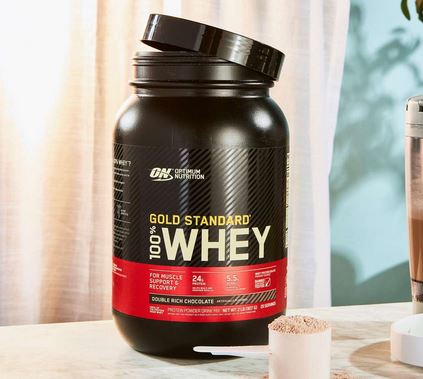
On average, plant-based protein powders contain several times more lead than those made with dairy proteins such as whey.
Dairy-based shakes and powders tend to have the lowest levels of toxic metals overall, yet the study still found that about half of them contained significant lead contamination.
While consuming these types of products regularly can cause health issues over time, experts say there’s no need to panic if you’ve used the contaminated protein brands.
That said, experts continue to stress that the majority of people taking protein supplements don’t actually need them.
Most individuals already get more than enough protein from their normal diets.
Pieter Cohen, a professor at Harvard Medical School, noted that many people believe protein supplements offer health benefits without any risks – but that isn’t the case.
He explained that products like protein powders and shakes are not tested or regulated by the Food and Drug Administration, which means there are no official limits on how much heavy metal they can contain.